Subvertendo a Cultura Relojoeira, um papo com os fundadores da revista Heist Out Magazine
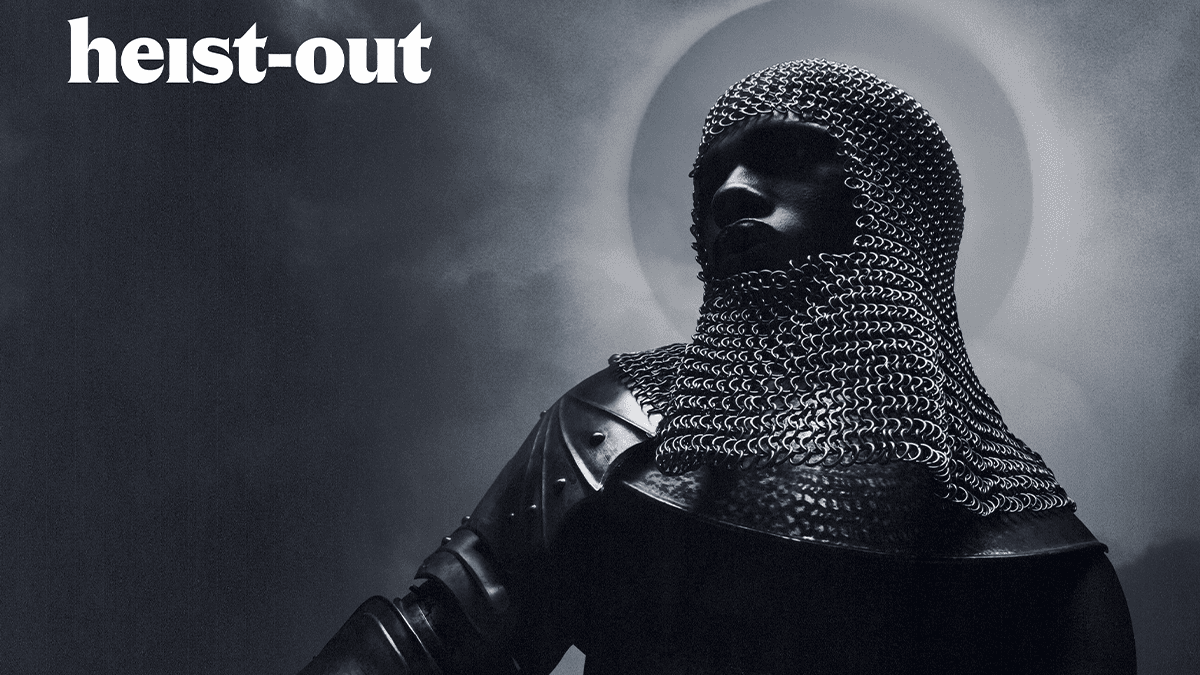
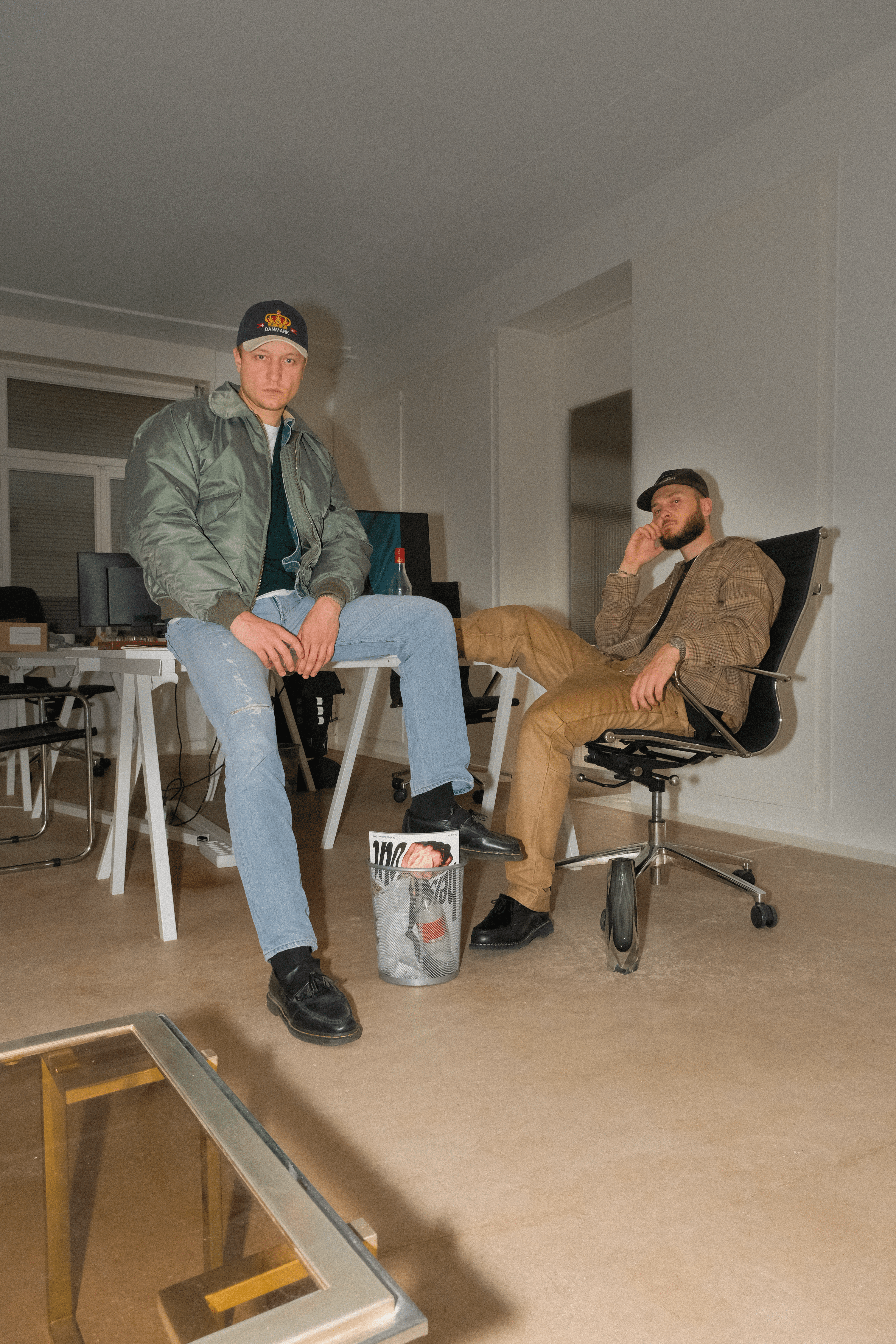
A alta relojoaria está deixando de ser um clube exclusivo de terno e gravata para se tornar um manifesto de estilo e identidade da nova geração. Os fundadores da Heist Out Magazine, Maxime e Lorenzo, mostram como estão chacoalhando as estruturas de um mercado tradicionalmente rígido.
O papo vai direto ao ponto sobre o que acontece quando a paixão por ponteiros ganha a urgência e a rebeldia das ruas. Eles questionam os padrões de atendimento das boutiques e apontam caminhos para aproximar novos públicos de um universo que antes parecia intocável. Entre visões sobre o futuro do mercado global e críticas ao consumo puramente digital, a dupla propõe uma busca por significado real no pulso.
Histórias de garimpos juvenis e regras próprias de autocontrole se misturam a provocações sobre o verdadeiro valor de um relógio, seja ele uma joia rara ou um achado de feira de antiguidades. Para conferir o papo completo, confira a entrevista na íntegra abaixo:
Brunol: Fala, meus manos! Antes de mais nada, muito obrigado por aceitarem esse papo. Para começar, podem nos contar como surgiu a ideia de criar a Heist Out?
Maxime: O Lorenzo e eu nos conhecemos em um projeto sobre "Relógios e Cultura". Lorenzo trabalhava em tempo integral na FHH (Fondation de la Haute Horlogerie), enquanto eu colaborava externamente. O objetivo era atrair um público mais jovem para a relojoaria. Tivemos uma conexão imediata e, naturalmente, começamos a explorar ideias que iam além do escopo inicial. Esse ímpeto nos levou a levar as coisas adiante sob nossos próprios termos. Como os artistas costumam fazer, decidimos investir tudo o que tínhamos para criar algo próprio: uma revista. A Heist Out expressou nossa visão de uma forma mais direta e sem concessões.
Brunol: Passando alguns dias com vocês, algo que notei é que não seguem o estilo tradicional, inclusive algo que me identifiquei muito (risos) — nada de terno e gravata como grande parte desse público (risos). Vocês acham que isso ajuda a crescer a comunidade em torno da cultura dos relógios?
Maxime: Primeiro, estamos um pouco ofendidos por você achar que nunca usamos gravata. Nós usamos, só não por obrigação!" (Risos). Brincadeiras à parte, sempre sentimos que havia uma lacuna nesta indústria. No momento em que você entra em uma boutique vestido de forma diferente do uniforme esperado de terno e gravata, sente aquela leve dúvida no ar, como se você não devesse estar ali. Isso é um problema.
Para nós, a relojoaria deveria ser mais aberta e falar com um público mais amplo. Não se trata de substituir os clientes tradicionais — eles fazem parte da cultura. Mas claramente há espaço para outros, e a indústria precisa se atualizar sobre como a próxima geração aborda estilo e identidade. Naturalmente, nos expressamos através de códigos que estão mais próximos do nosso mundo. E se isso ajuda alguém a olhar para relógios e pensar "isso pode ser para mim", então já estamos fazendo algo valioso.
Brunol: Vocês participaram de projetos e momentos importantes com várias marcas. Olhando o perfil de vocês, já vemos nomes como IWC, Piaget e Audemars Piguet. Como é trabalhar ao lado de marcas tão renomadas e abordá-las de forma não tradicional?
Maxime: Para ser honesto, três anos atrás não imaginaríamos trabalhar com nomes como IWC Schaffhausen, Piaget ou Audemars Piguet. Então sim, há um sentimento de orgulho, mas ele não dura muito tempo.
O que importa para nós não é o nome, são as pessoas por trás dele. Aquelas que são abertas o suficiente para deixar você trazer sua visão, mesmo quando não é óbvio no início. Eles nem sempre entendem de imediato, mas confiam em você e dão espaço para arriscar. É aí que as coisas ficam interessantes. É assim que vemos a Heist Out: um laboratório. Um espaço onde as marcas podem tentar coisas que não ousariam fazer sozinhas. Testar ideias, mudar o tom, correr riscos sem as restrições habituais. É onde entregamos mais valor.
E, honestamente, temos o mesmo entusiasmo trabalhando com marcas menores ou independentes. Nós gostamos de relógios, ponto final. A escala não muda isso. É o mesmo com o colecionismo: seja um relógio de 50 francos suíços ou uma peça de 100 mil, o prazer é o mesmo. Você apenas não os olha através da mesma lente.
Brunol: O mercado global de relógios está crescendo. Por que vocês acham que esse movimento está acontecendo? Como veem esses novos e jovens consumidores entrando no mercado e o que acham que eles buscam?
Maxime: O crescimento é intuitivo quando você analisa o cenário. Vivemos em um mundo onde tudo é digital, instantâneo e intangível. Em algum momento, as pessoas querem se reconectar com algo real. Um relógio faz isso. Não se trata mais de ver as horas — seu telefone já faz isso melhor. Trata-se de usar algo físico, algo que você pode sentir, ouvir e construir uma relação ao longo do tempo.
Para o público jovem, o ponto de entrada não é unidimensional. Pode ser o design, o movimento, a história ou apenas ver alguém com quem se identificam usando uma peça e pensar: "ok, isso fala comigo". É tanto cultural quanto sobre o produto.
Agora, há também o lado da especulação. Pessoas tratando relógios como ações, revenda rápida (flipping), caça ao hype. Honestamente, esse não é o nosso mundo. Se o seu objetivo é ostentar uma piscina infinita em Dubai e empilhar NFTs, vá fazer isso e deixe os relógios em paz. Isso perde totalmente o sentido da coisa. O que vemos, em vez disso, é uma geração em busca de significado. Não necessariamente caro, não necessariamente tradicional. Apenas algo que pareça certo para eles, nos seus próprios termos.
Brunol: Boa, gostei! haha Agora algo mais pessoal: quantidade ou qualidade? Como vocês abordam o colecionismo? Estão sempre procurando algo novo ou mantêm as peças por anos? Estar no coração da relojoaria deve ser tentador, certo?
Maxime: Eu já não sou tão jovem (risos) e é a mesma mudança que você vê na moda. Em certo ponto, você para de querer mais e começa a querer melhor. Você não precisa de 50 camisetas com estampa, você quer aquela que ninguém mais consegue encontrar. Então, para mim, é claramente sobre qualidade.
Nós temos abordagens diferentes. Pessoalmente, me apego muito aos objetos. Quando compro um relógio e ele "clica", é quase como um compromisso de longo prazo. Eu não
troco, não revendo, guardo tudo. Dito isso, estar no meio do mundo dos relógios não ajuda. Muitos de nossos amigos são revendedores, estamos constantemente expostos a peças incríveis. É tentador o tempo todo. E, paradoxalmente, ver tanto também torna tudo mais difícil. As possibilidades são infinitas, então você se torna mais seletivo. Um abraço para Hic-Nunc, Jojolamontre, Mendel Watches, Mr.a, Ottotoi Watches e todos os outros!
Agora só compro quando algo realmente desperta um sentimento novo, algo que nunca experimentei antes, ou para marcar um momento específico. Se você tiver alguma sugestão que possa despertar algo novo em mim, me avise!
Lorenzo: Colecionar é, por natureza, algo pessoal. Para mim, começou cedo. Aos 16 anos, o vintage era tudo. Eu frequentava feiras de antiguidades, comprando relógios de 20 francos que precisavam de cuidado. Naquela época, fiz uma promessa a mim mesmo: nunca gastar mais de 1.000 francos em um relógio. Isso moldou meu olhar. Forçou-me a ver valor além do preço — no design, na história, na emoção.
As coisas evoluíram, claro. Mas ainda sou atraído pelo que é ignorado, pelo que é um pouco fora da curva. Coisas excêntricas, às vezes até feias. Há algo muito mais atraente ali. Para mim, a beleza muitas vezes se esconde no que não é óbvio, o que é muito mais interessante do que perseguir números de referência ou ícones supervalorizados.
Brunol: Imagino que tudo o que vocês querem seja fácil de acessar estando tão perto da fonte. Vocês tentam se controlar ou às vezes perdem a cabeça por uma peça?
Maxime: Sejamos honestos, não podemos pagar por 90% do que vemos diariamente. Então o autocontrole nem é uma escolha (risos). Mas quando algo realmente bate forte, sim, você pode fazer uma loucura. Até lá, continuamos trabalhando duro.
Lorenzo: Lidar com relógios o tempo todo, cercado por amigos que conseguem peças insanas, pode até parecer pesado. Muita beleza de uma só vez acaba sobrecarregando. A atenção vai e vem, mas o amor permanece. Até a ideia de posse começa a ficar nebulosa.
Brunol: No Brasil, além de nem sempre ser aconselhável usar relógios caros, o acesso a certas peças não é tão fácil quanto em Genebra ou Tóquio. Se estivessem aqui, qual seria um "Top 3" sólido de relógios para se ter?
Maxime: Pensamos nisso toda vez que saímos da Suíça. Você vai com um sólido Casio G-Shock, algo que você não precisa se preocupar. Depois, um TAG Heuer vintage dos anos 90, como um antigo Link com aquela pulseira maluca ou um Professional 3000. Subestimado, resistente e com personalidade. E, finalmente, um relógio de prata vintage discreto que ninguém conhece realmente. O tipo de peça que apenas poucas pessoas reconhecem.
Lorenzo: É sempre difícil citar peças específicas, mas algumas seriam legais de usar em qualquer lugar do mundo: Um Movado vintage dos anos 40: Extremamente subestimado. Há uma profundidade real nos detalhes, um nível de refinamento que chega perto de algumas peças da Patek Philippe, mas sem a pressão que vem com elas. Bvlgari dos anos 90: O Bvlgari Diagono como relógio diário é perfeito. Afiado, sem esforço e ainda um pouco fora do radar. Um Harry Winston Opus: Forte valor, design não convencional e uma energia séria de relojoaria independente.
Brunol: Para encerrar, vocês têm algum conselho para os consumidores mais jovens em geral?
Maxime: Use seu relógio. Não ache que você precisa gastar 10 mil para ter algo bom, e não ouça idiotas tentando te impressionar com números de referência. Não é aí que mora a paixão ou o amor pelos relógios. E, finalmente, compre a Heist Out para que possamos pagar todos os relógios que não podemos agora! (risos)
Lorenzo: Concordo! Não se deixe intimidar por "colecionadores", nomes técnicos ou pela exclusão velada. A maior parte disso é barulho. As vozes mais altas nem sempre são as mais interessantes. A relojoaria deveria ser o oposto: conexão, curiosidade e aprendizado. Confie nos seus instintos, não no checklist de outra pessoa. Não estamos salvando vidas, não precisamos nos levar tão a sério.
Brunol: Muito obrigado pelo tempo de vocês. Podemos esperar por vocês no nosso evento Heist Out x NOTTHESAMO em São Paulo?
Maxime: Cara, precisamos de mais horas no dia e mais dias no ano. Eu adoraria dizer amanhã, mas vamos mirar em 2027!
ENGLISH VERSION:
High watchmaking is no longer just an exclusive club of suits and ties — it’s becoming a statement of style and identity for a new generation. The founders of Heist Out Magazine, Maxime and Lorenzo, show how they’re shaking up the foundations of a traditionally rigid industry.
The conversation gets straight to the point about what happens when a passion for timepieces meets the urgency and rebellious spirit of the streets. They question the customer service standards of luxury boutiques and point toward new ways of bringing fresh audiences into a world that once felt untouchable. Between visions for the future of the global market and criticism of purely digital consumption, the duo proposes a search for real meaning on the wrist.
Stories of youthful treasure hunting and self-imposed collecting rules blend with provocations about the true value of a watch — whether it’s a rare jewel or a flea-market find. To check out the full conversation, read the complete interview below:
Brunol: What’s up, my guys! First of all, thank you so much for taking the time to do this interview. To start things off, can you tell us how the idea for Heist Out came about?
Maxime: Lorenzo and I met while working on a project about “Watches and Culture.” Lorenzo was working full-time at the FHH (Fondation de la Haute Horlogerie), while I was collaborating externally. The goal was to attract a younger audience to watchmaking. We connected instantly and naturally started exploring ideas that went beyond the project’s original scope. That momentum pushed us to take things further on our own terms. Like artists often do, we decided to put everything we had into creating something of our own: a magazine. Heist Out became the purest expression of our vision, direct and uncompromising.
Brunol: After spending a few days with you guys, something I noticed is that you don’t follow the traditional style — and honestly, that’s something I really connected with too (laughs). No suits and ties like most people in this world (laughs). Do you think that helps grow the community around watch culture?
Maxime: First of all, we’re slightly offended that you think we never wear ties. We do — just not because we’re forced to! (Laughs). Jokes aside, we’ve always felt there was a gap in this industry. The moment you walk into a boutique dressed differently from the expected suit-and-tie uniform, you can feel that subtle doubt in the air, like maybe you don’t belong there. That’s a problem.
For us, watchmaking should be more open and speak to a broader audience. It’s not about replacing traditional customers — they’re part of the culture too. But there’s clearly room for others, and the industry needs to catch up with how the next generation approaches style and identity. Naturally, we express ourselves through codes that are closer to our own world. And if that helps someone look at watches and think, “this could be for me,” then we’re already doing something valuable.
Brunol: You’ve been involved in important projects and moments with several brands. Looking through your profile, names like IWC, Piaget and Audemars Piguet already stand out. What’s it like working alongside such renowned brands while approaching them in a non-traditional way?
Maxime: Honestly, three years ago we never imagined we’d be working with names like IWC Schaffhausen, Piaget or Audemars Piguet. So yes, there’s definitely a sense of pride, but it doesn’t last very long.
What really matters to us isn’t the name itself — it’s the people behind it. The ones open-minded enough to let you bring your own vision, even when it’s not immediately obvious to them. They don’t always understand it right away, but they trust you and give you space to take risks. That’s when things get interesting. That’s how we see Heist Out: as a laboratory. A space where brands can try things they wouldn’t dare do on their own. Testing ideas, shifting the tone, taking risks without the usual constraints. That’s where we bring the most value.
And honestly, we get the same excitement working with smaller or independent brands. We love watches, period. Scale doesn’t change that. It’s the same with collecting: whether it’s a 50 Swiss franc watch or a 100-thousand-franc piece, the pleasure is the same. You just don’t look at them through the same lens.
Brunol: The global watch market is growing. Why do you think this movement is happening? How do you see these younger consumers entering the market, and what do you think they’re looking for?
Maxime: The growth feels intuitive when you look at the bigger picture. We live in a world where everything is digital, instant and intangible. At some point, people want to reconnect with something real. A watch does that. It’s no longer about telling the time — your phone already does that better. It’s about wearing something physical, something you can feel, hear and build a relationship with over time.
For younger audiences, the entry point isn’t one-dimensional. It can be the design, the movement, the story, or simply seeing someone they relate to wearing a piece and thinking, “okay, this speaks to me.” It’s cultural as much as it is product-driven.
Now, there’s also the speculative side. People treating watches like stocks, quick flipping, chasing hype. Honestly, that’s not our world. If your goal is to flex an infinity pool in Dubai while stacking NFTs, go do that and leave watches alone. That completely misses the point. What we see instead is a generation searching for meaning. Not necessarily expensive, not necessarily traditional. Just something that feels right to them, on their own terms.
Brunol: Nice, I like that! haha Now something more personal: quantity or quality? How do you approach collecting? Are you always searching for something new or do you keep pieces for years? Being at the center of the watch world must be tempting, right?
Maxime: I’m not that young anymore (laughs), and it’s the same shift you see in fashion. At a certain point, you stop wanting more and start wanting better. You don’t need 50 graphic tees — you want the one nobody else can find. So for me, it’s clearly about quality.
We have different approaches. Personally, I get very attached to objects. When I buy a watch and it “clicks,” it’s almost like a long-term commitment. I don’t trade, I don’t resell — I keep everything. That said, being surrounded by the watch world doesn’t help. A lot of our friends are dealers, and we’re constantly exposed to incredible pieces. It’s tempting all the time. And paradoxically, seeing so much also makes things harder. The possibilities become endless, so you grow more selective. Shoutout to Hic-Nunc, Jojolamontre, Mendel Watches, Mr.a, Ottotoi Watches and everyone else!
Now I only buy something when it truly sparks a new feeling in me, something I’ve never experienced before, or when it marks a specific moment in life. And if you have any suggestions that might awaken something new in me, let me know!
Lorenzo: Collecting is, by nature, deeply personal. For me, it started early. At 16, vintage was everything. I used to spend time at flea markets, buying 20-franc watches that needed care and attention. Back then, I made a promise to myself: never spend more than 1,000 francs on a watch. That shaped the way I look at things. It forced me to see value beyond price — in the design, the history and the emotion.
Things evolved, of course. But I’m still drawn to what’s overlooked, to things that sit slightly outside the curve. Eccentric pieces, sometimes even ugly ones. There’s something far more attractive there. To me, beauty often hides in what isn’t obvious, and that’s much more interesting than chasing reference numbers or overhyped icons.
Brunol: I imagine that being so close to the source makes everything you want pretty accessible. Do you try to control yourselves, or do you sometimes lose your minds over a piece?
Maxime: Let’s be honest, we can’t afford 90% of what we see every day. So self-control isn’t really a choice (laughs). But when something really hits you, yeah, sometimes you do something crazy. Until then, we just keep working hard.
Lorenzo: Being around watches all the time, surrounded by friends who can get insane pieces, can actually become overwhelming. Too much beauty at once eventually overloads you. Attention comes and goes, but love remains. Even the idea of ownership itself starts to become blurry.
Brunol: In Brazil, besides the fact that wearing expensive watches isn’t always advisable, access to certain pieces isn’t as easy as it is in Geneva or Tokyo. If you were here, what would be a solid “Top 3” of watches to own?
Maxime: We think about that every time we leave Switzerland. You go with a solid Casio G-Shock — something you never have to worry about. Then, a vintage 90s TAG Heuer, like an old Link with that crazy bracelet or a Professional 3000. Underrated, durable and full of personality. And finally, a discreet vintage silver watch that nobody really knows about. The kind of piece only a handful of people would recognize.
Lorenzo: It’s always difficult to name specific pieces, but some would feel right anywhere in the world: a 1940s vintage Movado — extremely underrated. There’s real depth in the details, a level of refinement that comes close to some Patek Philippe pieces, but without the pressure attached to them. A 90s Bvlgari: the Bvlgari Diagono is perfect as an everyday watch. Sharp, effortless and still somewhat under the radar. And a Harry Winston Opus: strong value, unconventional design and serious independent watchmaking energy.
Brunol: To wrap things up, do you have any advice for younger consumers in general?
Maxime: Wear your watch. Don’t think you need to spend 10 grand to own something good, and don’t listen to idiots trying to impress you with reference numbers. That’s not where passion or love for watches lives. And finally, buy Heist Out so we can eventually afford all the watches we currently can’t! (laughs)
Lorenzo: I agree! Don’t let yourself be intimidated by “collectors,” technical jargon or subtle gatekeeping. Most of it is just noise. The loudest voices aren’t always the most interesting ones. Watchmaking should be the opposite: connection, curiosity and learning. Trust your instincts, not someone else’s checklist. We’re not saving lives here — we don’t need to take ourselves so seriously.
Brunol: Thank you so much for your time. Can we expect to see you guys at our Heist Out x NOTTHESAMO event in São Paulo?
Maxime: Man, we need more hours in the day and more days in the year. I’d love to say tomorrow, but let’s aim for 2027!
Veja outros como esse